
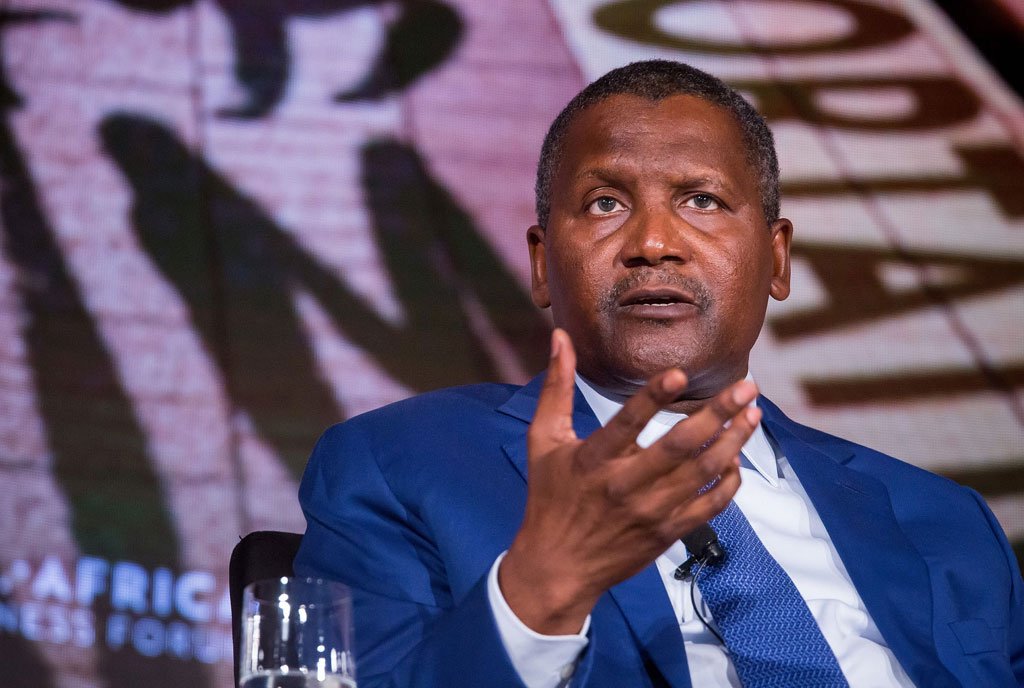
East Africa could be on the brink of a major energy transformation following a commitment by Africa’s richest businessman, Aliko Dangote, to support the construction of a large-scale oil refinery in the region.
Speaking at a high-level summit in Nairobi, Dangote revealed that he is ready to lead the development of a joint refinery project to be located in Tanzania, provided regional governments reach a final agreement. The proposed facility, expected to be built in the port city of Tanga, would serve multiple East African nations and significantly reduce the region’s dependence on imported refined petroleum products.
Kenyan President William Ruto confirmed that discussions are already underway between Kenya, Uganda, and Tanzania to establish the refinery, alongside a supporting pipeline linking the Kenyan port of Mombasa to Tanga. The pipeline would facilitate the movement of crude oil for processing at the new facility.
Dangote stated that the refinery could be completed within four to five years once approvals and partnerships are secured. He added that the project would replicate the scale and efficiency of his flagship refinery in Lagos, Nigeria one of the largest in the world, with a processing capacity of 650,000 barrels per day.
The announcement comes at a time when global energy markets are facing renewed volatility, partly due to geopolitical tensions in the Middle East. Many African countries, including those in East and Southern Africa, rely heavily on fuel imports from the Gulf region, leaving them vulnerable to supply disruptions and price shocks.
Analysts say the proposed refinery could mark a turning point for the region by enhancing energy security, stabilizing fuel prices, and stimulating industrial growth. A regional facility of this scale would not only reduce import bills but also create jobs and support sectors such as manufacturing, transport, and petrochemicals.
Ugandan President Yoweri Museveni noted that Uganda will continue with its own domestic refinery project but is also open to contributing crude oil to the larger regional initiative. This dual approach could allow Uganda to meet local demand while benefiting from export opportunities through a shared infrastructure.
Despite the optimism, the project faces significant hurdles. Building a refinery of this magnitude requires billions of dollars in investment, strong political coordination across multiple countries, and extensive supporting infrastructure, including pipelines, storage facilities, and port upgrades.
East Africa has previously seen refinery projects stall due to financing challenges and shifting policy priorities. However, Dangote’s involvement given his track record in delivering large-scale industrial projects has raised confidence that this initiative could move beyond the planning stage.
If successful, the Tanga refinery would position East Africa as a key player in the continent’s energy landscape, mirroring recent developments in West Africa where Nigeria has begun to achieve fuel self-sufficiency.
For now, the project remains in the negotiation phase, but its potential impact is already generating significant interest among policymakers, investors, and industry stakeholders across the region.
Comments
0Leave a Comment