
 By NMGTODAY Global Affairs Desk
March 2, 2026
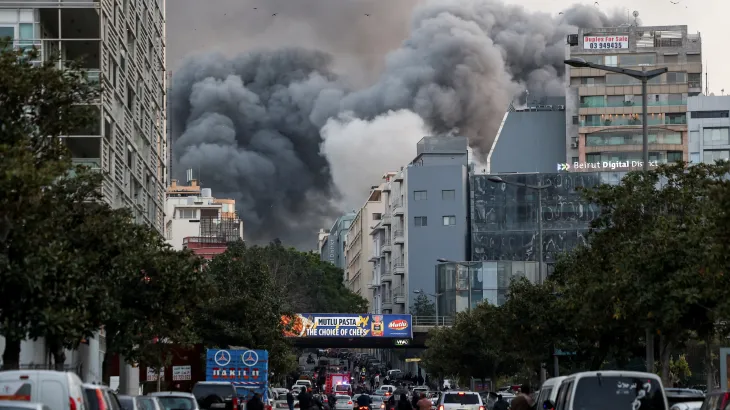
The widening conflict between Israel and Iran-backed forces entered a dangerous new phase Monday, with explosions reported across Gulf cities and Jerusalem, while Israeli airstrikes intensified in Lebanon.
Regional tensions are now stretching from Beirut to Dubai, raising fears of a prolonged multi-front war.
Iran Launches New Wave of Strikes
Explosions were heard in Jerusalem as well as in the Gulf cities of Dubai, Doha, and Manama after Iran reportedly launched another wave of missile and drone attacks.
The Israel Defense Forces confirmed missiles had been fired toward Israeli territory and said air defense systems were activated. Residents in affected areas received mobile alerts instructing them to move into protected shelters.
In Kuwait City, smoke was seen rising near the US Embassy. American officials warned citizens to shelter in place, citing an ongoing missile and drone threat. Kuwaiti authorities later said incoming drones had been intercepted and that the situation remained under control.
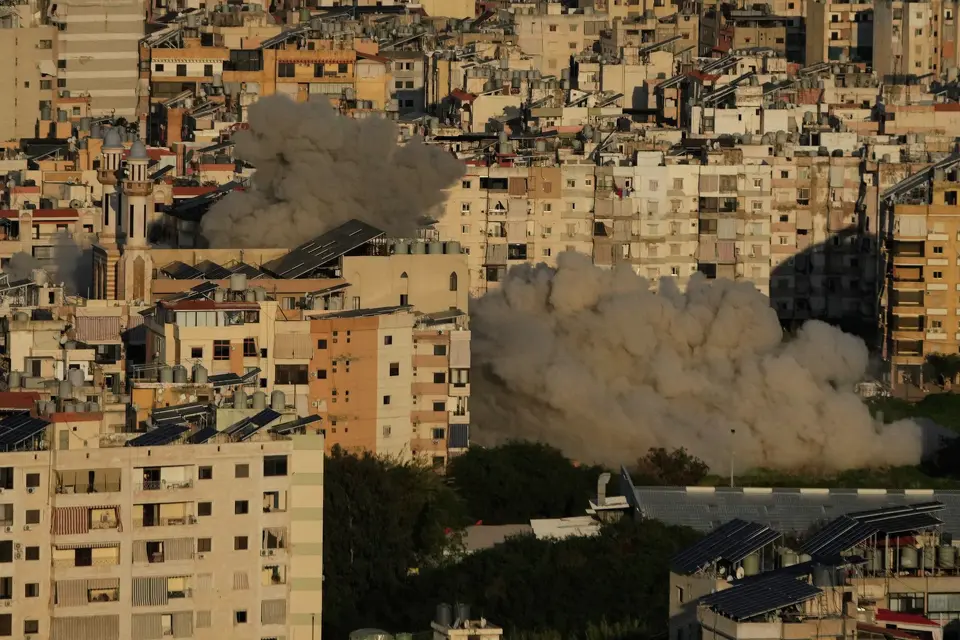
Israel Intensifies Strikes in Lebanon
Israel expanded its military campaign against Hezbollah after the group launched rockets and drones toward Israeli cities.
According to Lebanon’s health ministry, at least 31 people have been killed and 149 wounded in Israeli strikes on Beirut’s southern suburbs and southern Lebanon.
A senior Israeli commander, Rafi Milo, warned that Hezbollah would “pay a heavy price” and said strikes would intensify. Meanwhile, IDF Chief of Staff Eyal Zamir said the fighting could last “many days.”
The Lebanese president, Joseph Aoun, criticized the rocket launches from Lebanese territory, warning they risk dragging the country deeper into a regional war.
Thousands of civilians were seen fleeing southern Beirut amid evacuation orders and ongoing bombardment.
Cyprus and UK Base Targeted
The conflict also reached Cyprus after a suspected drone strike hit RAF Akrotiri, a British military installation.
Cyprus President Nikos Christodoulides said national security was his government’s top priority, while stressing that Cyprus does not want to become part of any military operation.
The UK Ministry of Defence confirmed limited material damage and no casualties but announced that families at the base would be temporarily relocated as a precaution.
Prime Minister Keir Starmer has allowed the United States to use British bases for strikes on Iranian missile sites, citing growing risks to British lives.
US Casualties and Political Fallout
The Pentagon confirmed that three US service members have been killed during operations connected to the conflict.
President Donald Trump said military operations would continue until “all objectives are achieved.” He also claimed dozens of Iranian leaders were eliminated in initial strikes.
However, Iran’s security chief Ali Larijani rejected suggestions of renewed talks with Washington, stating that Tehran “will not negotiate with the United States.”
Global Impact: Travel Chaos and Oil Surge
Air travel across the Middle East remains heavily disrupted. Major hubs including Dubai, Abu Dhabi, and Doha have seen hundreds of flight cancellations, stranding thousands of passengers.
Oil prices surged sharply amid fears of prolonged instability in the Gulf, a critical corridor for global energy supply. Stock markets also came under pressure as investors reacted to the escalating crisis.
A Region Bracing for What Comes Next
With Hezbollah actively engaged, Iranian strikes reaching Gulf capitals, US forces sustaining casualties, and Western military bases targeted, the conflict now spans multiple countries and strategic assets.
Diplomatic efforts appear stalled. Military leaders on all sides are preparing for sustained operations.
For civilians across Israel, Lebanon, the Gulf states, and beyond, uncertainty and fear are rapidly becoming part of daily life.
NMGTODAY will continue providing verified updates as this developing crisis unfolds.
Comments
0Leave a Comment