
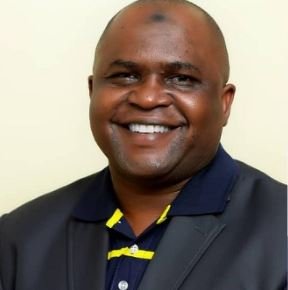
Political tensions within the National Resistance Movement (NRM) in Mukono District continue to deepen as sections of party supporters, grassroots mobilizers, and local leaders raise growing concerns about the leadership and political direction of district chairman Hajji Haruna Ssemakula.
While Ssemakula has consistently presented himself publicly as a loyal supporter of President Yoweri Museveni and the ruling NRM party, a section of party cadres in Mukono are increasingly questioning whether the district leadership has done enough to resist the growing influence of the opposition in the area.
Mukono has in recent years emerged as one of the strongest opposition strongholds in Central Uganda, with the National Unity Platform (NUP) making significant electoral gains across several political positions. The continued decline of NRM influence in the district has triggered frustration among some party supporters, who accuse local leadership of weak mobilization, poor coordination, and internal divisions.
Several NRM supporters interviewed during recent political activities argued that despite public rallies and repeated declarations of support for the ruling party, political outcomes in Mukono continue to heavily favor opposition candidates.
Critics within the party claim that some influential leaders in the district structure appear “politically comfortable” despite repeated losses suffered by the NRM. Others allege that selective mobilization, internal disagreements, and weakened grassroots coordination have contributed to the opposition’s continued expansion.
“These are not ordinary losses anymore,” one NRM mobilizer in Mukono said. “People are beginning to ask serious questions about whether some leaders are genuinely fighting for the party or simply protecting personal interests.”
The allegations, however, remain politically contested and have not been independently verified.
Additional assertions from some NRM-leaning supporters allege that Ssemakula was actively involved in extending political support to certain opposition-linked candidates during the recently concluded electoral activities, support which critics claim was not equally extended to several lower-level NRM candidates within the district.
Some party members further point to a recently circulated video in which Ssemakula reportedly urged NRM candidates who felt unfairly treated during the elections not to file petitions challenging the outcomes. The remarks have since generated debate among party supporters, with some questioning the capacity in which he made such statements, particularly in light of Uganda’s electoral guidelines, which permit candidates to formally challenge electoral irregularities and alleged malpractice through legally established procedures.
The comments have fueled wider concerns among sections of NRM supporters who argue that discouraging aggrieved candidates from pursuing legal redress could undermine confidence in internal party accountability and electoral transparency.
Earlier during the January campaign period, tensions reportedly escalated among several NRM-leaning councilors and local mobilizers who questioned delays in the release of campaign facilitation funds allegedly expected from party structures. Some supporters claimed that despite reports that campaign support resources had been released by the NRM Secretariat, local candidates struggled to access the funds in time to effectively facilitate their campaigns.
The disagreements reportedly intensified between January 12 and January 14, during the peak of campaign activities, with some local leaders alleging that Ssemakula became temporarily inaccessible amid mounting pressure from candidates demanding accountability over campaign financing. Reports later emerged that partial financial support was eventually released to some candidates, though dissatisfaction reportedly remained among sections of party supporters.
Further allegations from some NRM-leaning actors claim that Ssemakula maintained close political relationships with certain opposition candidates, including Hanifah Nabukeera and Peter Bakaruba, who critics allege benefited from political and financial backing associated with influential figures within the district political establishment.
These allegations remain unverified, and no official evidence has publicly been presented linking Ssemakula to coordinated support for opposition candidates.
Nonetheless, the growing accusations continue to expose widening mistrust and factional divisions within Mukono’s NRM structures ahead of the 2026 general elections.
Political analysts argue that Mukono’s shifting political landscape reflects broader challenges facing the NRM in urban and peri-urban districts, where opposition movements continue to gain support among younger voters, local activists, and disillusioned grassroots supporters.
Observers further note that internal mistrust among party members can easily fuel accusations of betrayal, covert cooperation, and political sabotage, especially in highly polarized electoral environments.
As preparations for the 2026 general elections intensify, pressure is expected to increase on district party leaders to rebuild grassroots confidence, restore internal unity, and demonstrate stronger political coordination in areas where opposition influence continues to rise.
For now, the debate surrounding Hajji Haruna Ssemakula’s political loyalty continues to expose growing divisions within Mukono’s NRM structures, with both supporters and critics closely watching how the district’s political battles unfold in the months ahead.


Comments
0Leave a Comment