
By NMG Today News Desk
July 18, 2026
Middle East Conflict Escalates as U.S. Expands Strikes Inside Iran
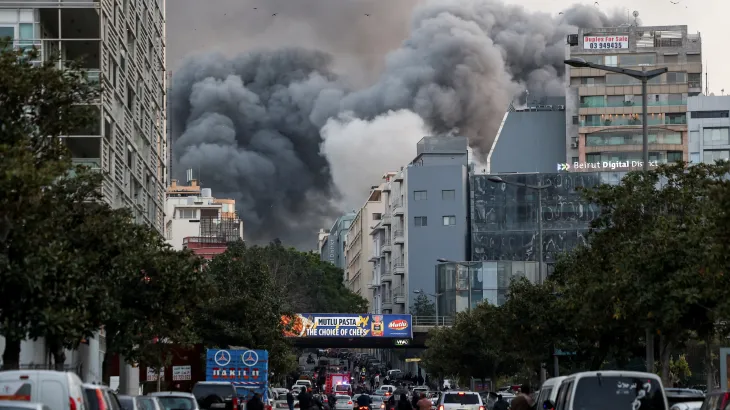
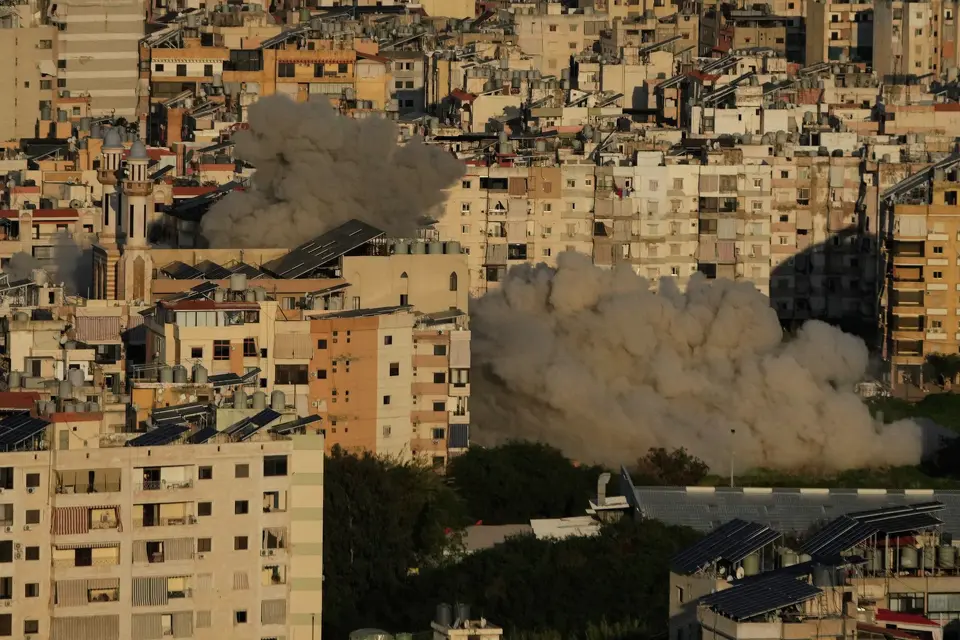
The conflict between the United States and Iran has intensified following a new wave of military strikes that reportedly targeted critical infrastructure inside Iran, raising concerns that the confrontation could trigger wider instability across the Middle East.
According to The Washington Post, U.S. forces expanded their campaign by striking bridges and energy-related infrastructure that American officials believe support Iran's military logistics. The report said the attacks represent a significant widening of operations after earlier strikes focused primarily on military installations.
Reuters also reported that overnight military operations hit multiple strategic locations as Iran responded with missile and drone attacks directed at countries hosting U.S. military personnel in the Gulf region. The exchange has heightened fears that the conflict could draw additional regional actors into the fighting.
Ceasefire Hopes Fade
The latest escalation comes after diplomatic efforts to reduce hostilities appeared to collapse.
International observers say previous ceasefire arrangements have effectively broken down as both Washington and Tehran accuse one another of continuing military operations. The renewed exchanges have left little indication that an immediate return to negotiations is likely.
Security analysts warn that each successive round of attacks increases the risk of miscalculation, making it more difficult for diplomats to restore dialogue.
Strategic Infrastructure Targeted
Reports indicate that several transportation routes and energy facilities were among the latest targets.
According to The Washington Post, U.S. officials believe disrupting infrastructure linked to military logistics could reduce Iran's operational capabilities. Iranian authorities, however, have condemned the strikes, describing them as attacks on national infrastructure that could affect civilian populations.
The extent of the damage remains difficult to independently verify, while casualty figures have not been fully confirmed by independent observers.
Iran Launches Retaliatory Attacks
Iran responded with missile and drone strikes targeting locations associated with U.S. military operations in the region, according to Reuters.
Several Gulf countries activated air defence systems after projectiles were detected heading toward their airspace. Local authorities said many of the incoming missiles and drones were intercepted, although investigations into reported damage at several facilities are continuing.
Iranian officials have vowed to continue responding if military operations against the country persist, while Washington has maintained that its actions are intended to protect American personnel and deter further attacks.
Regional and Global Concerns
Governments across the Middle East have urged restraint as tensions continue to rise.
The United Nations and several international partners have called on both sides to avoid actions that could further destabilize the region. Diplomats warn that prolonged conflict could disrupt humanitarian operations, increase displacement, and threaten vital shipping routes used for global energy supplies.
Analysts also note that the Strait of Hormuz remains a key concern. The waterway carries a substantial share of the world's oil exports, meaning any disruption could have significant consequences for global energy markets.
Financial markets reacted cautiously to the latest developments, with oil prices fluctuating amid concerns over potential supply disruptions and increased geopolitical risk.
International Calls for Diplomacy
Despite the ongoing military exchanges, several countries continue to advocate for renewed diplomatic engagement.
Officials from European and regional governments have urged both Washington and Tehran to return to negotiations before the conflict expands further. International observers say maintaining communication channels remains essential to preventing broader regional escalation.
While military activity continues, diplomatic efforts behind the scenes are expected to remain active as governments seek opportunities to reduce tensions.
Looking Ahead
The coming days are expected to be critical as both sides assess their next moves.
Military analysts say the situation remains highly fluid, with the possibility of further strikes or renewed diplomatic initiatives depending on developments on the ground. Governments around the world continue to monitor the crisis closely amid growing concern over its implications for regional security and the global economy.
For now, international attention remains focused on whether diplomacy can regain momentum before the conflict widens even further.
Sources: According to reporting by The Washington Post, Reuters, and The Associated Press, as available on July 18, 2026.
Comments
0Leave a Comment