
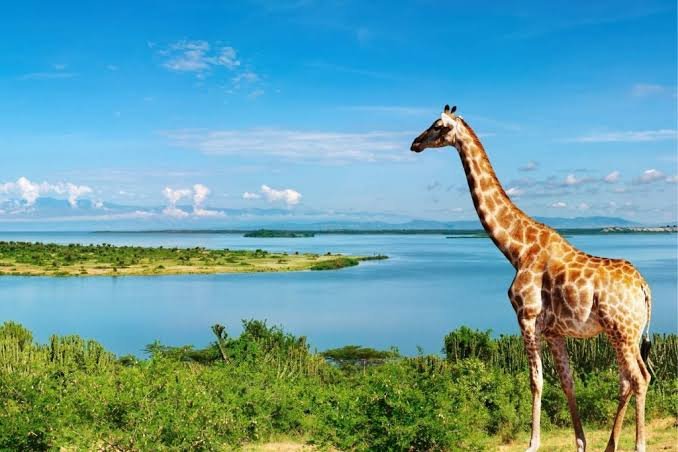
Uganda has steadily emerged as one of Africa's most remarkable tourism destinations, offering an extraordinary blend of breathtaking landscapes, diverse wildlife, vibrant cultures, and warm hospitality. Famously referred to as the "Pearl of Africa," the country continues to attract visitors seeking authentic experiences that combine adventure, conservation, culture, and relaxation.
A Land of Extraordinary Natural Beauty
Uganda's diverse geography makes it one of the continent's most unique travel destinations. From the snow-capped Rwenzori Mountains to the vast waters of Lake Victoria, the country offers an impressive variety of landscapes within relatively short travel distances. Rolling hills, tropical forests, savannah grasslands, waterfalls, crater lakes, and winding rivers provide unforgettable scenery for nature lovers and photographers alike.
The mighty River Nile, which begins its journey from Jinja, has become a global attraction for white-water rafting, kayaking, bungee jumping, boat cruises, and other adventure activities that draw thrill-seekers from around the world.
World-Class Wildlife Experiences
Uganda is home to an incredible diversity of wildlife, making it one of Africa's premier safari destinations. The country boasts ten national parks and numerous wildlife reserves that protect elephants, lions, leopards, buffaloes, giraffes, zebras, antelopes, crocodiles, hippos, and hundreds of bird species.
One of Uganda's greatest attractions is mountain gorilla trekking. The ancient forests of Bwindi Impenetrable National Park and Mgahinga Gorilla National Park shelter nearly half of the world's remaining mountain gorillas. Visitors who trek through these forests to observe gorilla families in their natural habitat often describe the experience as one of the most memorable wildlife encounters on Earth.
Chimpanzee tracking in Kibale National Park, game drives in Queen Elizabeth National Park and Murchison Falls National Park, and birdwatching across the country's wetlands and forests continue to strengthen Uganda's reputation as a leading ecotourism destination.
Rich Cultural Heritage

Uganda is home to more than 50 indigenous ethnic communities, each with unique traditions, languages, music, dance, cuisine, and craftsmanship. Cultural tourism allows visitors to experience authentic local lifestyles through community visits, traditional performances, historical sites, and artisan markets.
Historic kingdoms such as Buganda, Bunyoro, Toro, and Busoga preserve centuries-old customs that continue to play an important role in Uganda's national identity. Cultural festivals throughout the year showcase traditional ceremonies, storytelling, dance, and local cuisine, giving visitors deeper insight into the country's rich heritage.
Adventure and Eco-Tourism
Beyond wildlife safaris, Uganda offers countless opportunities for outdoor adventure. Hiking the Rwenzori Mountains, exploring Sipi Falls, canoeing across crater lakes, mountain biking, zip-lining through forest canopies, and camping under African skies provide unforgettable experiences for adventure enthusiasts.
Increasing investment in conservation has encouraged sustainable tourism practices that protect ecosystems while creating employment opportunities for surrounding communities. Many tourism operators now work closely with local residents to ensure tourism contributes directly to environmental protection and community development.
Hospitality and Growing Infrastructure
Uganda's tourism sector has experienced significant growth in accommodation and visitor services over recent years. Luxury lodges, boutique hotels, eco-lodges, safari camps, guesthouses, and budget-friendly accommodations now cater to a wide range of travelers.
Improved road networks, expanded domestic flights, enhanced telecommunications, and digital booking platforms have made travel planning easier than ever. The increasing use of online marketing has also enabled Ugandan tourism businesses to reach international audiences more effectively.
Economic Importance
Tourism plays a vital role in Uganda's economy by generating foreign exchange, creating employment, supporting local businesses, and encouraging investment across multiple sectors. Hotels, restaurants, transportation companies, tour operators, artisans, farmers, and conservation organizations all benefit from tourism-related activities.
The industry also contributes to the preservation of wildlife habitats and cultural heritage by providing economic incentives for conservation and responsible resource management.
Opportunities for Growth
As global demand for authentic and sustainable travel experiences continues to rise, Uganda is well positioned to strengthen its presence in international tourism markets. Digital marketing, improved transport infrastructure, enhanced tourism training, investment in hospitality facilities, and continued conservation efforts will further increase the country's competitiveness.
Emerging tourism segments such as conference tourism, sports tourism, medical tourism, religious tourism, educational travel, and community-based tourism present additional opportunities for long-term sector growth.
Looking Ahead
Uganda's tourism industry represents far more than wildlife safaris alone. It is a vibrant combination of spectacular natural beauty, remarkable biodiversity, rich cultural traditions, thrilling adventure, and genuine hospitality. Whether visitors come to track mountain gorillas, explore the source of the Nile, experience diverse cultures, or simply enjoy the country's stunning scenery, Uganda offers experiences that leave lasting memories.
With continued investment, sustainable development, and collaborative efforts between government, private sector stakeholders, local communities, and conservation organizations, Uganda is well positioned to strengthen its reputation as one of Africa's premier tourism destinations. As more travelers seek meaningful and responsible travel experiences, the Pearl of Africa is poised to welcome the world with unforgettable adventures and warm Ugandan hospitality.


Comments
0Leave a Comment